Biomedical science and pharmacy careers after GCSE Biology
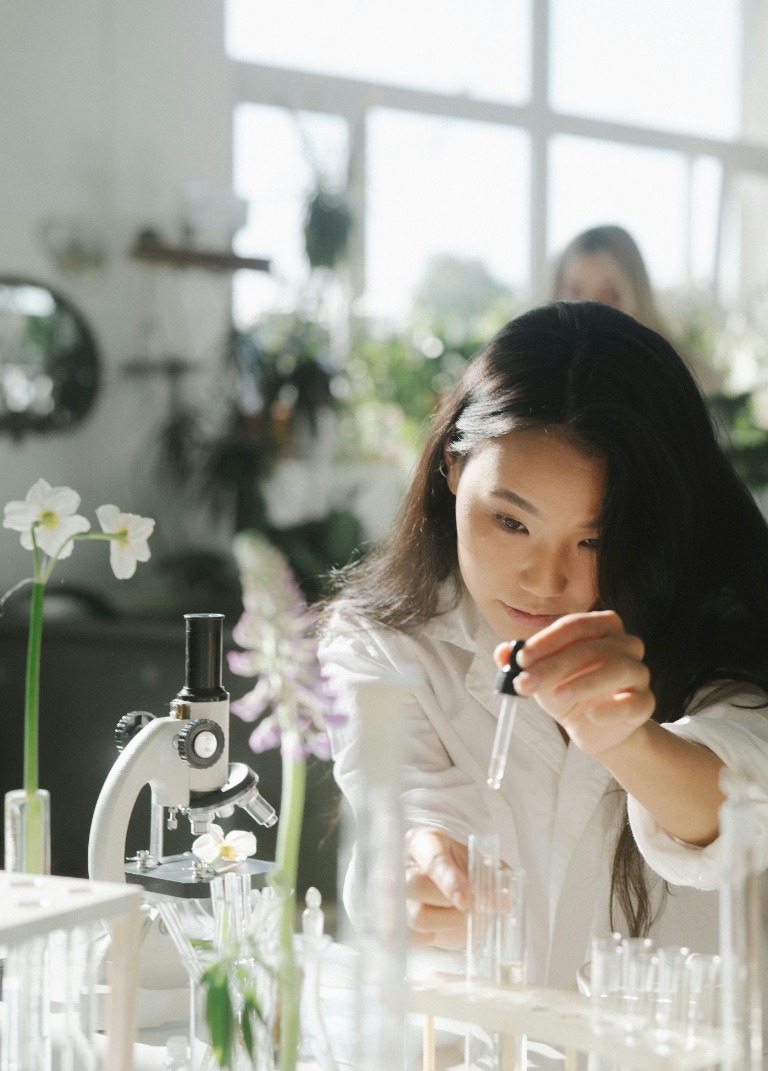
GCSE Biology is the first step towards several careers in health, research and the environment. Two of the most common routes are biomedical science, which works in NHS laboratories, and pharmacy. This guide explains what each role involves, how people qualify and how to prepare while you study.
Where biology leads
Biology supports careers in healthcare, medical research, ecology and conservation, food science and farming. Each one needs the same core skills: understanding how living systems work, carrying out practical work safely and interpreting data accurately.
Biomedical science
Biomedical scientists test samples such as blood and tissue, which helps doctors diagnose and treat patients. They work in NHS hospital laboratories and in some private and research labs. The profession is regulated by the Health and Care Professions Council (HCPC). Routes in include a degree in biomedical science or a related subject, and a degree apprenticeship.
In NHS England, pay is set by the Agenda for Change framework. For 2025/26, Band 5 starts at £31,049 and Band 6 starts at £38,682, according to NHS Employers. Newly qualified scientists are often placed on Band 5 and move to Band 6 as they gain experience. Check the job description, because the band depends on the post.
Pharmacy
Pharmacists check, prepare and supply medicines, and advise patients on how to use them. The usual route is a four-year MPharm degree accredited by the General Pharmaceutical Council, followed by a period of pre-registration training and registration with the GPhC. Biology and chemistry A-levels are often required for entry, so check the entry requirements for each university course.
Research and environmental work
Research roles in universities, industry and environmental organisations often need a degree and, for research posts, a PhD. Ecology and conservation work may start with a degree and field experience, and many people build their careers through volunteering and short contracts.
How to prepare while you study
- Learn the practical methods and safety rules, because they often come up in exams.
- Practise interpreting graphs and data tables, including units and percentages.
- Use exam-style questions on cells, genetics and ecosystems to test your recall.
- Keep a record of practical work, which helps when you apply for courses or jobs.
Free practice
Read the GCSE Biology guide, then try the free sample test, which gives feedback on every question. For more practice, use the GCSE Biology practice app.
This article is a study overview. Entry requirements and pay change, so check the current job description, course or regulator guidance before you apply.