Surveying, planning and environmental careers after GCSE Geography
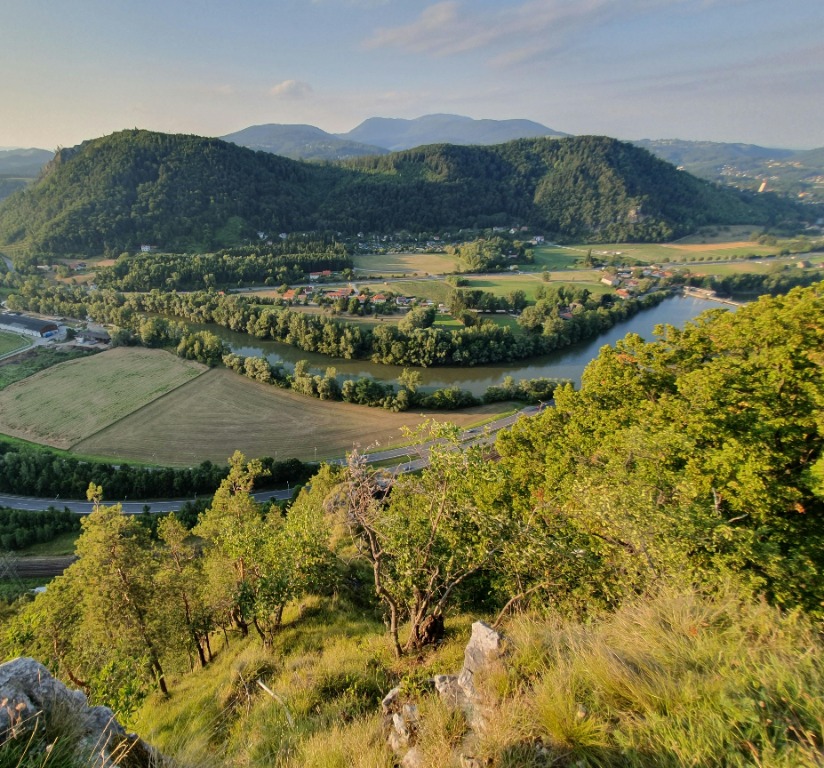
GCSE Geography develops skills in map reading, data analysis, fieldwork and explaining how people and places interact. Those skills lead to work in surveying, planning, environmental management and related fields. This guide explains the main routes and how to prepare while you study.
What GCSE Geography builds
Geography combines physical science with human issues. You learn to interpret maps and graphs, collect and evaluate data, and make a reasoned judgement about a complex problem. Employers in surveying, planning and environmental roles value this mix of data work and written explanation.
Surveying
Land and building surveyors measure, map and assess property and land. Many surveyors qualify through the Royal Institution of Chartered Surveyors (RICS), which sets out the routes to chartered status. Degree apprenticeships are a common way in, and you earn a salary while you train.
Town and country planning
Planners decide how land is used and how new housing, transport and services are provided. Entry is usually through a degree in planning or a related subject, followed by professional accreditation through the Royal Town Planning Institute (RTPI).
Environmental and GIS roles
Environmental consultants, conservation officers and GIS (geographic information systems) analysts work on flood risk, habitats and climate. These roles often need a degree plus practical software skills, and many employers train staff on the job.
How to prepare while you study
- Practise reading maps, cross sections and graphs under timed conditions.
- Keep fieldwork notes that show your method, data and conclusions.
- Learn to write a balanced evaluation that weighs evidence on both sides.
- Try free GIS or mapping tools to build confidence with spatial data.
Free practice
Read the GCSE Geography guide, then try the free sample test, which gives feedback on every question. For more practice, use the GCSE Geography practice app.
This article is a study overview. Entry requirements and pay change, so check the current job advert, course or professional body guidance before you apply.