Careers after GCSE English Literature: publishing, editing and law
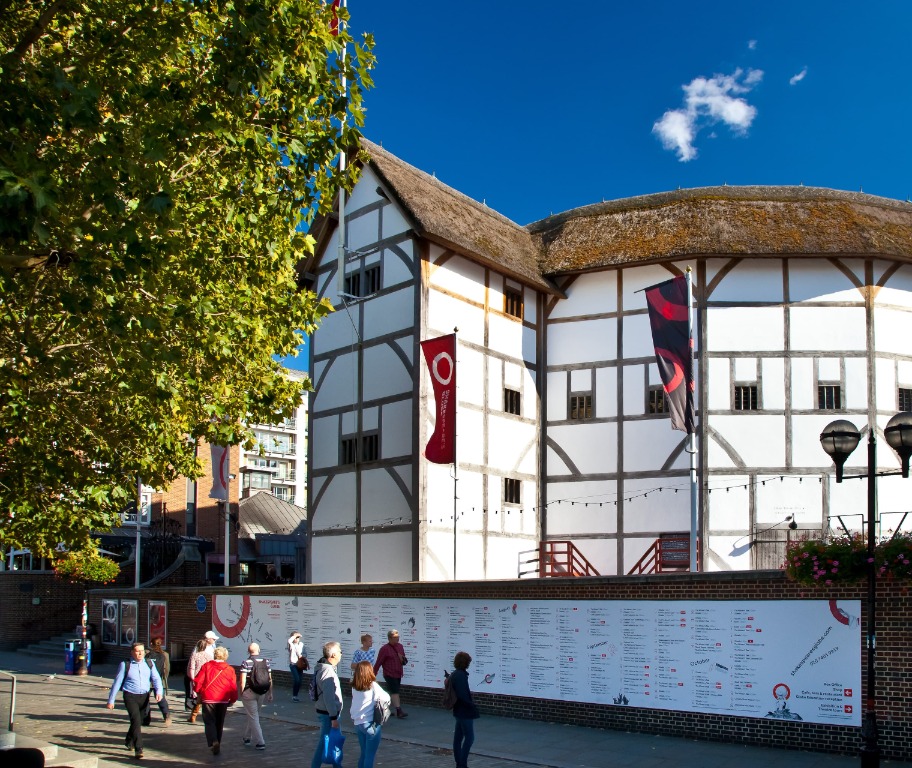
GCSE English Literature builds the skills of close reading: analysing language and structure, placing a text in its context and writing a clear argument about it. Those skills are used in publishing, editing, law and teaching. This guide explains the main routes from GCSE English Literature into work and how to prepare.
What GCSE English Literature gives you
Studying literature trains you to read carefully, notice how writers make their effects and support a point with evidence. Employers in editorial, legal and public-facing roles look for exactly this ability to read closely and write precisely, whatever the subject of your degree.
Publishing and editorial work
Publishers employ editorial assistants, commissioning editors and production staff. Most people start in an assistant role. A degree helps, but many publishers also look for work experience, a clear sense of the market and evidence that you can spot errors and improve a text.
Copy editing and proofreading
Copy editors check a text for accuracy, consistency and style. Proofreaders check the final version for errors. Both roles can be done in-house or freelance. Professional training courses, such as those offered by the Chartered Institute of Editing and Proofreading, can help you build the skills and a client base.
Law: the solicitor route
To qualify as a solicitor in England and Wales, you need a degree or equivalent qualification in any subject, then pass the Solicitors Qualifying Examination (SQE1 and SQE2) and complete qualifying work experience. The Solicitors Regulation Authority sets out the current requirements, so check them before you plan your route. Literature is a common degree choice for people who go on to train as solicitors.
Teaching English
Teaching English in a secondary school usually means training through a postgraduate teacher programme, such as a PGCE or a school-based route. You need to meet the entry requirements for the programme you choose, and the training shapes the rest of your career. Pay and progression are set by the school and the teacher pay framework.
How to prepare while you study
- Read a wide range of fiction and non-fiction, not only set texts.
- Practise writing short analytical paragraphs that start from a clear point.
- Keep a reading log with notes on language, structure and themes.
- Write reviews or short pieces of creative or persuasive writing, and keep the best ones.
Free practice
Read the GCSE English Literature guide, then try the free sample test, which gives feedback on every question. For more practice, use the English Literature practice app.
This article is a study overview. Entry requirements and pay change, so check the current advert, programme or regulator guidance before you apply.